If your weekly supermarket shop in the UK feels like it’s quietly draining your bank account, you’re not imagining it. Prices have jumped, pack sizes keep shrinking, and it’s easy to walk in for “just a few bits” and walk out £70 lighter. The good news is you don’t need to switch to a different supermarket or live on baked beans to make a serious dent in your bill. With a few smart tweaks to how you plan, shop and cook, shaving 40% off your usual total is far more realistic than it sounds.
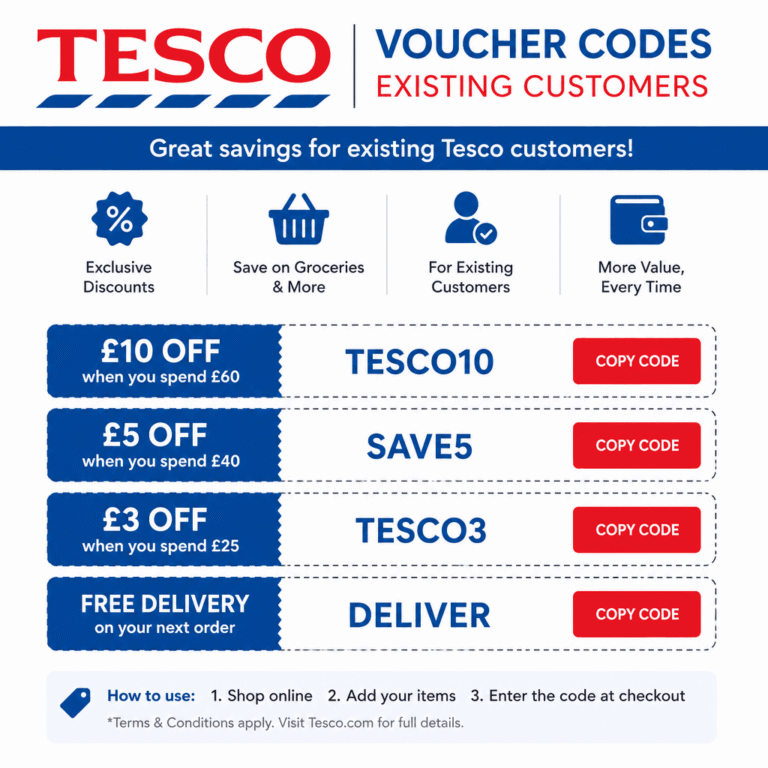
One easy way is to use companies like Everup or JamDoughnut to purchase gift cards for your favourite grocery stores and get instant cashback on the amount you buy. Just scan the gift card at the store checkout instead of paying with your debit card.
The key is to stop thinking in terms of individual bargains and start thinking in terms of systems. A single yellow-sticker win saves you pennies; changing the way you approach your shop can save you hundreds over a year. The supermarket isn’t neutral – everything from shelf height to offer design is there to make you spend more. Once you can see those tricks clearly, you can sidestep them without sacrificing the food you actually enjoy.
Below are practical, UK-specific strategies you can start using on your very next shop. None of them require extreme couponing or driving to three different stores. You keep the same supermarket, the same broad style of meals, and often even the same brands – but you change the rules of how you buy them. That’s where the 40% saving comes from.
Proven tactics to instantly shrink your food shop
Start with a brutally honest look at what you already buy. Pull out your last 2–3 weeks of receipts or check your supermarket app and scan for repeat offenders: ready meals, branded snacks, drinks, and “top-up” shops heavy on convenience foods. These are the areas where supermarkets make their margins, and where you can trim spending fastest without feeling it too much. Once you know your big-ticket categories, set a rough target: for example, “I’m cutting crisps, biscuits and soft drinks by a third this month,” or “I’m dropping my meat spend by £8 a week.”
Next, get strategic about offers instead of letting offers get strategic about you. Multibuys like “3 for £5” and “Buy 2, get 1 free” often push you into buying more than you need, especially on snacks and chilled items with short dates. Flip the script: decide what you actually need first, then check if any genuine savings match that list. A true deal either saves you money on something you’d buy anyway, or lets you stock up on long-life staples you use constantly (tinned tomatoes, pasta, rice, loo roll) at a lower unit price. Ignore offers on anything that will tempt you to overeat, overdrink or simply throw food away.
Finally, use unit pricing as your secret weapon. In UK supermarkets, the shelf label usually shows the price per 100g, per kg, per litre or per item in small print under the headline price. That’s the number that matters. The “value” pack isn’t always best value; sometimes two smaller packs work out cheaper per 100g, especially when one size is on promotion. Make it a habit to glance at that unit price rather than relying on assumptions about bigger meaning cheaper. Over a whole trolley, consistently picking the lowest unit price option for items you genuinely use can knock several pounds off every shop without changing brands or quality at all.
Smart habit shifts that cut 40% off your till total
Transforming your supermarket bill by 40% is mostly about changing habits outside the store, not just inside it. Start with meal planning in a way that actually works for your life. Instead of writing a rigid seven-day meal plan you’ll abandon by Wednesday, plan 3–5 flexible “base meals” that share ingredients: for example, a pack of chicken thighs becomes a traybake one night, wraps the next, and a curry at the weekend. Build your list around those shared ingredients first, then add fruit, veg, and basics. This cuts impulse buying and stops random items languishing at the back of the fridge.
Another powerful shift is moving from “shop-then-decide” to “decide-then-shop.” Before you even leave the house, check your cupboards, fridge and freezer properly. Most people underestimate how much they already have. Make a quick “use it up” list – half a bag of frozen peas, two tins of chickpeas, that jar of pesto – and deliberately plan meals that incorporate them. When you get to the supermarket, you’re topping up what you’re missing rather than starting from scratch. Over time, this habit drastically reduces duplicate buys and food waste, both of which quietly inflate your bill.
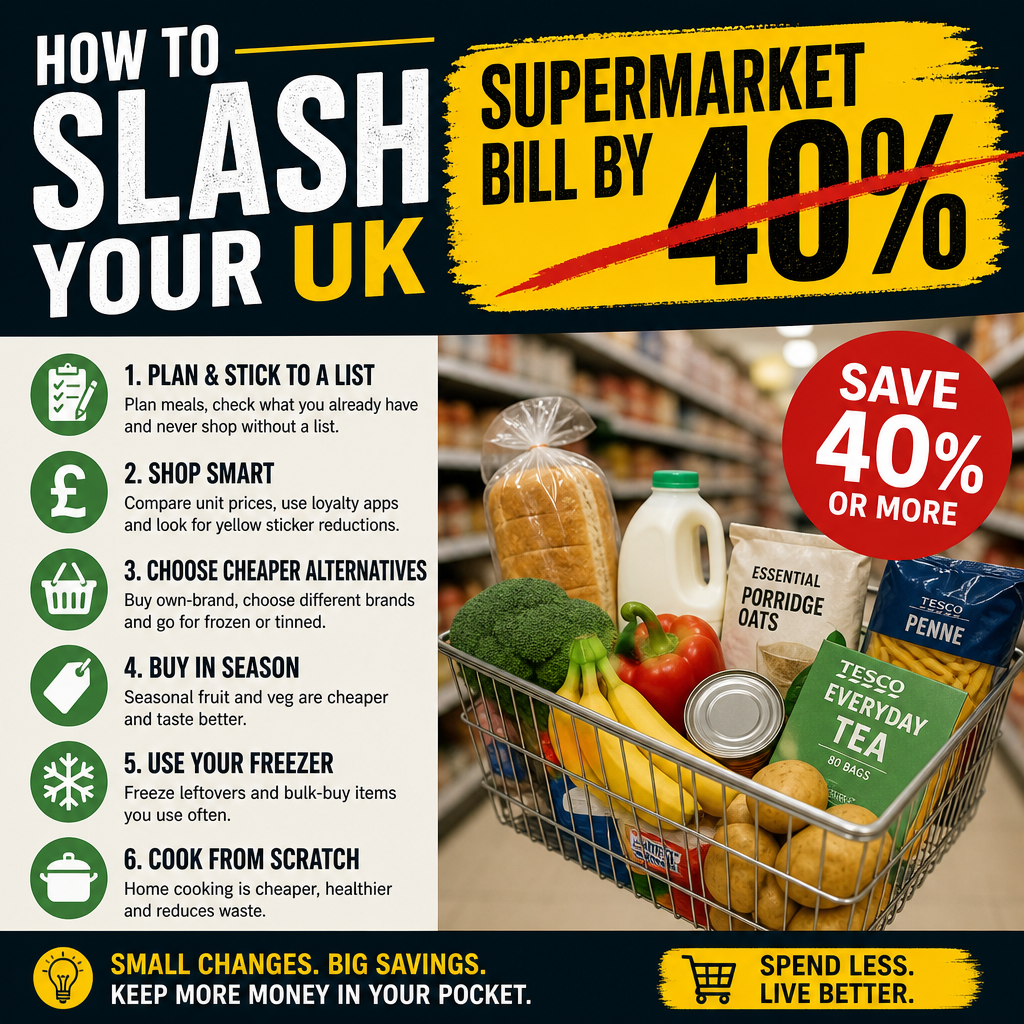
Finally, adjust how often and when you shop. Multiple small “just nipping in” trips are almost always more expensive than one planned weekly shop, because each visit adds unplanned extras. If you can, drop from three trips a week to one big shop plus, at most, a single tiny top-up for fresh milk or bread. Time your main shop for when the store is quieter and you’re not rushed or hungry; browsing on an empty stomach is proven to boost spend. These habit shifts don’t feel dramatic day to day, but put together, they’re usually what nudges your saving from “a bit less” towards that 40% reduction over a month or two.
Slashing your UK supermarket bill by 40% doesn’t come from one magic trick; it comes from stacking lots of small, deliberate decisions that favour you instead of the supermarket. By focusing on what you already buy, using unit prices properly, planning flexible meals around shared ingredients, and cutting down those casual top-up trips, you can steadily pull your weekly total down without changing where you shop or living on joyless food.
You’ll still buy the brands you love when they genuinely matter to you; you’ll just know where paying for the label is doing nothing for your taste buds. The first couple of weeks take a bit more thought, but these tactics quickly become automatic. Give yourself a month of shopping this way, track your totals, and you’ll see the difference in black and white – not just in your receipts, but in the breathing space of your bank balance.