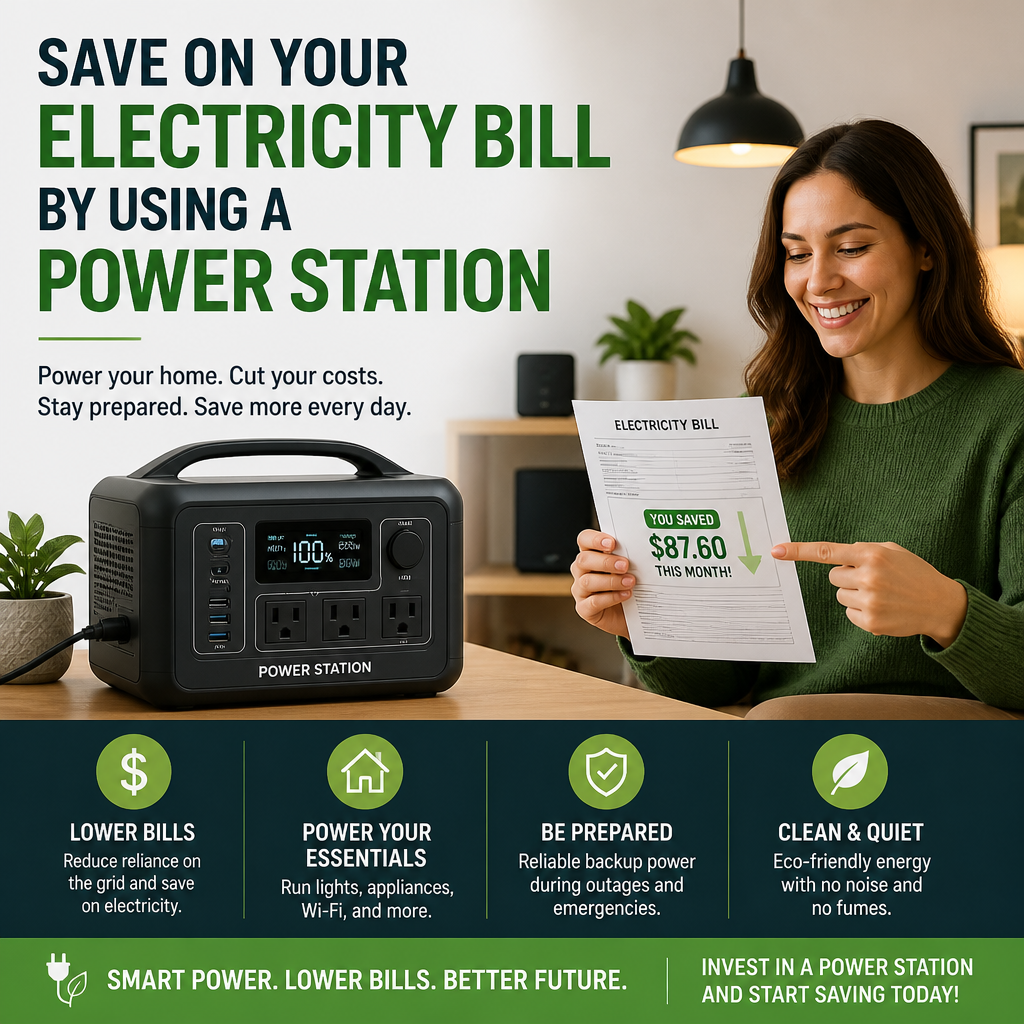
Saving money on electricity isn’t just about switching off lights and nagging everyone to use less. With home power stations becoming more affordable and efficient, there’s now a practical way to actively control when and how you buy energy from the grid. By storing electricity when it’s cheap—or when it’s free from solar—and using it when rates are high, a power station can become a quiet workhorse that trims your monthly bill in the background. The key is knowing how the tech works, how to use it strategically, and how to choose the right unit for your home.
A home power station, also known as a portable power station or home battery system (depending on size and features), is essentially a large rechargeable battery with built‑in electronics to safely power your devices and appliances. Instead of drawing everything directly from the grid at whatever price your provider charges at that moment, you first fill the battery when power is cheapest and then “spend” that stored energy when prices peak. Over time, this time‑shifting of your electricity usage can add up to noticeable monthly savings.
Of course, saving on your electricity bill doesn’t happen automatically just because you bought a power station. How much you save depends on your local electricity pricing (flat vs. time‑of‑use), your daily habits, and how well your power station fits your actual needs. When you pair realistic expectations with smart usage strategies—like running specific appliances off stored power at predictable times—you can reduce your bill, soften the impact of outages, and move one step closer to energy independence.
How a Home Power Station Cuts Monthly Bills
A home power station cuts costs primarily through a process called “load shifting” or “time‑of‑use arbitrage.” If your utility charges different rates depending on the time of day, you can charge the power station when electricity is cheap—often at night or during off‑peak periods—and use that stored energy during expensive peak hours. Even after accounting for some energy loss in charging and discharging, this swap can result in a lower overall bill because you’re avoiding the highest‑priced power from the grid.
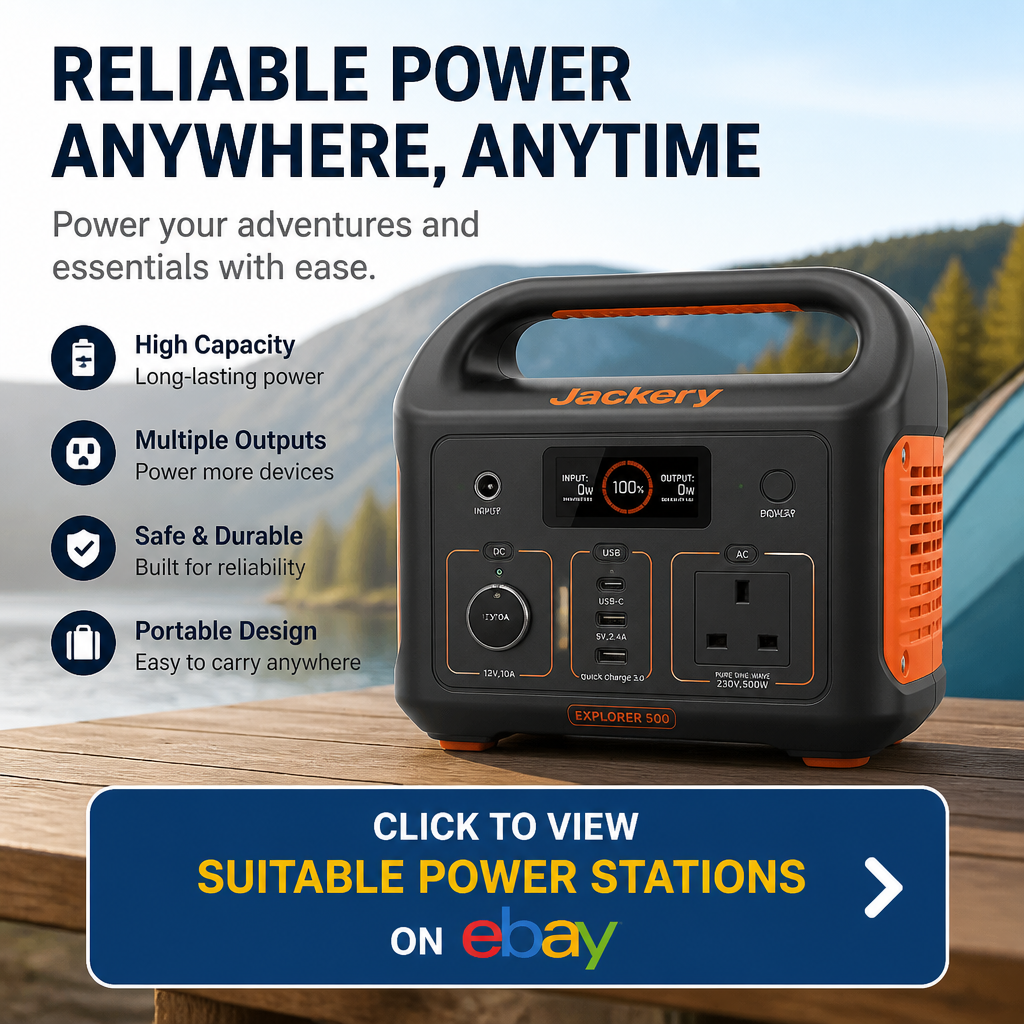
If you have solar panels, a power station can enhance your savings even further. Instead of sending excess solar energy back to the grid for a low credit (or sometimes nothing at all), you store it in your battery and use it later when the sun goes down. This lets you rely less on grid electricity in the evening, when many people cook, run dishwashers, do laundry, and watch TV—all at the same time, which is exactly when utilities often charge more. The more of your own solar you can consume directly, the less you need to buy from your provider.
Even without fancy tariffs or solar panels, a power station can still reduce bills by helping you manage peak loads. Some utilities charge demand fees or higher rates if your usage spikes beyond a certain level. Running heavy appliances—like space heaters, portable AC units, or power tools—partly or fully from your battery can flatten these spikes. Over weeks and months, this “smoothing” of your demand profile can keep you in more favorable billing tiers, quietly shaving down your costs.
Smart Ways to Use Stored Power and Save More
To get real savings, it helps to think of your power station as a tool for specific jobs, not a general plug‑everything‑into‑it device. Start by identifying which appliances matter most for your comfort and cost: fridge, router, a few lights, maybe a laptop and TV. These are excellent candidates for battery power during peak price windows. By consistently running a short list of essentials off your power station when electricity is expensive, you’ll extract more value from every charge cycle.
You can also schedule your charging times to align with off‑peak hours. Many modern power stations allow you to set charging windows via an app or timer. If your utility publishes a time‑of‑use schedule, program the power station to top up overnight when rates are lowest. In the morning or late afternoon, shift key appliances over to the battery instead of the wall. Over time, this routine becomes almost invisible, yet it quietly reduces how much high‑rate electricity you buy each day.
Another smart strategy is to combine efficiency upgrades with battery use. For instance, using LED bulbs, efficient fans, and an inverter‑style fridge stretches every watt stored in your power station. If your home’s “base load” (the constant background usage) is already slimmed down, your power station can cover a larger share of your daily consumption. Think of it as a multiplier effect: the more efficient your devices, the more hours of coverage you get from the same battery capacity, and the greater the potential for bill reduction.
Choosing the Right Power Station for Your Needs
Choosing the right power station starts with knowing your typical loads. Make a short list of what you want to run during peak hours or outages, then note the wattage of each device (usually on a label or in the manual). Add those up to find your required power (in watts) and energy (in watt‑hours or kilowatt‑hours). For example, if you want to run a 150 W fridge, a 50 W router, and 50 W of lights for 5 hours, that’s roughly (150 + 50 + 50) × 5 = 1,250 Wh, so a 1–1.5 kWh unit would be a sensible minimum.
Battery chemistry also matters. Many modern power stations use LiFePO₄ (LFP) batteries, which offer long cycle life and good safety, making them a strong choice if you plan to use the unit daily to cut bills. Traditional lithium‑ion or NMC batteries can be lighter and more compact but may have fewer charge cycles. If your goal is regular time‑of‑use shifting (charging off‑peak and discharging daily), prioritize units rated for thousands of cycles and check the warranty for explicit daily‑cycle coverage.
Finally, consider expandability and integration. Some systems allow you to connect extra battery packs, plug in solar panels directly, or integrate with your home’s circuits through a transfer switch. If you only need occasional backup and modest bill savings, a portable unit you manually plug devices into may be enough. If you’re aiming for maximum automation and long‑term savings—especially with solar—look for a system that can be tied into your home more permanently, with smart controls for when to charge, discharge, and prioritize different power sources.
A home power station won’t magically erase your electric bill, but it can shift the math in your favor. By charging when energy is cheapest—or when the sun is supplying it for free—and using that stored power during expensive hours, you take back some control over how much you pay each month. Paired with a bit of planning and basic efficiency upgrades, the right unit can deliver both financial and practical benefits, from lower bills to smoother ride‑throughs during outages. The more intentionally you size, configure, and use your power station, the more it becomes an investment that pays you back, month after month.