In a world where grocery bills keep climbing and takeout feels more like a luxury than a convenience, “too good to be true” food apps promise something almost magical: real meals at a fraction of the price. These apps connect users with restaurants, bakeries, and supermarkets that have surplus food they’d otherwise throw away at the end of the day. The pitch is simple—get cheap food, help the planet, and enjoy the thrill of a mystery bag. But as with any deal that sounds incredible, people naturally ask: is it actually worth it?
How a “Too Good to Be True” App Cuts Food Costs
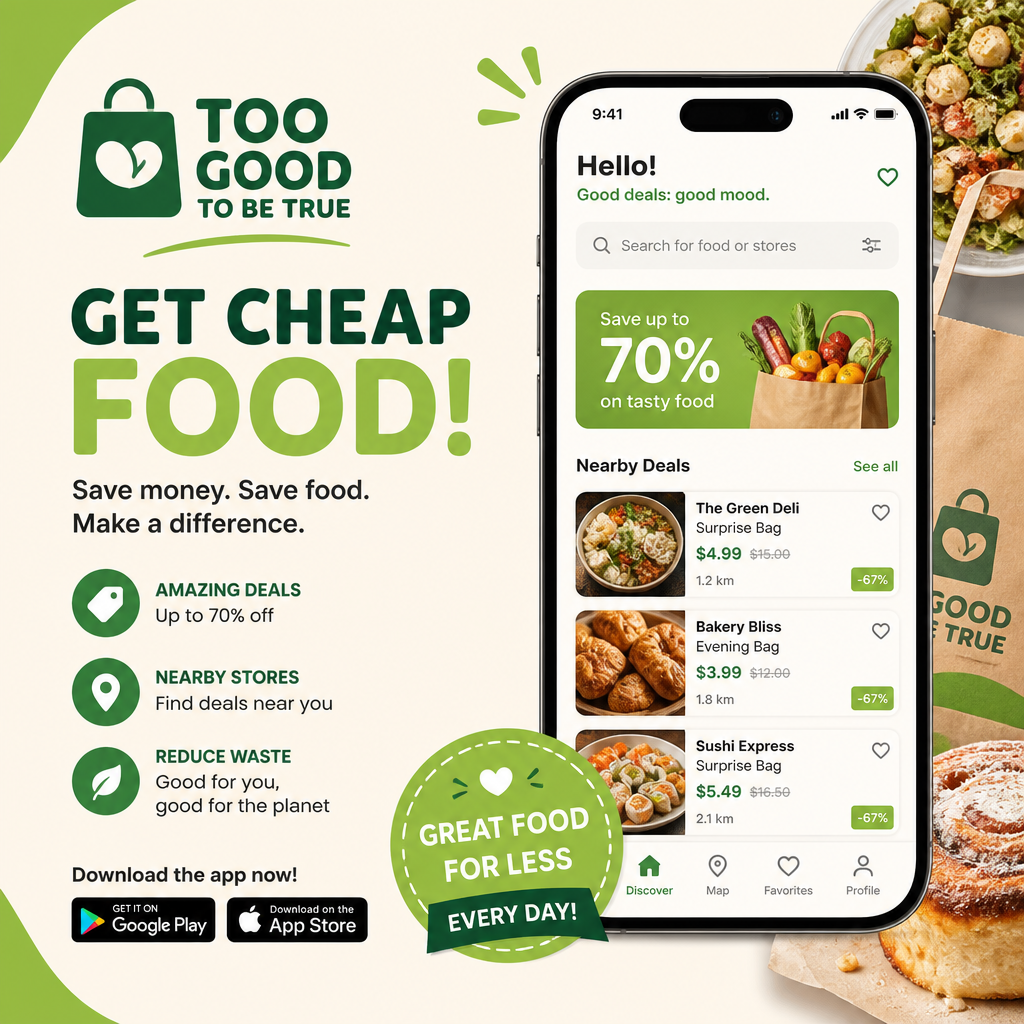
At the heart of these apps is a very straightforward idea: businesses often have perfectly good food left over at closing time, and they’d rather sell it cheap than throw it out. An app steps in to match this surplus with bargain-hunting customers, usually within a specific pickup window. You typically don’t choose exact items; instead, you buy a “surprise” or “mystery” bag at a heavily discounted flat rate, then show up and pick it up. For the restaurant, it’s a last chance to recoup some cost; for you, it’s an opportunity to score food at 50–80% off.
Those steep discounts are possible because the food is nearing its “sell-by” moment, not because the quality is bad. Think of a bakery that has fresh bread and pastries that are unsold at 5 p.m., or a grocery store with pre-made salads that expire the next day. Without the app, those items might go directly into the trash. By selling them at a low price, the business covers a bit of their production cost rather than losing everything, and you get high-quality food for far less than the original price. The app itself takes a small cut from each transaction, usually built into the price you see.
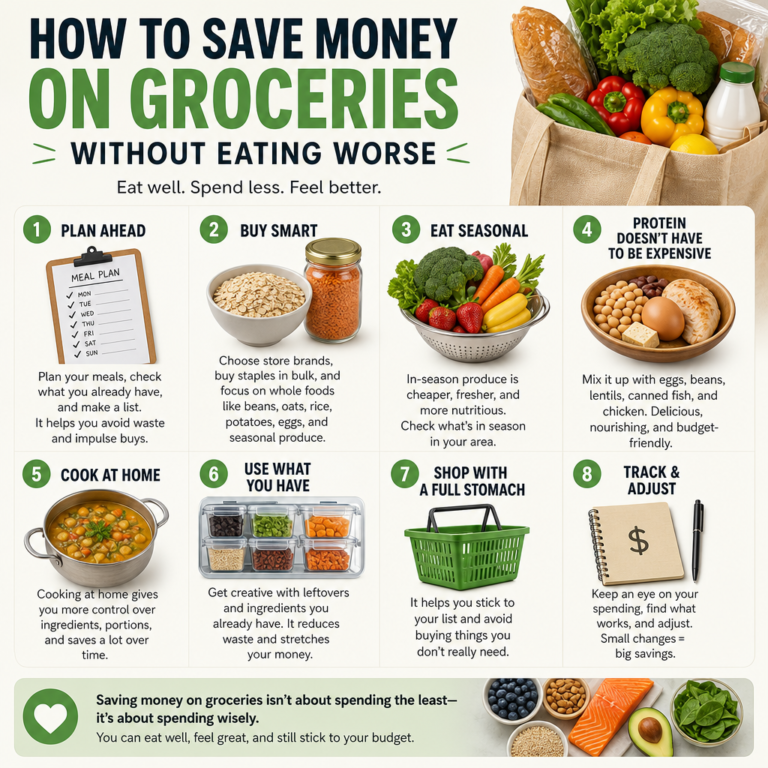
From the user’s perspective, the app cuts food costs in three main ways. First, it reduces what you pay per meal, especially if you’re flexible about what you eat. Second, it lowers impulse spending: instead of wandering around a store and tossing extras into your basket, you make a simple, fixed-price purchase in advance. Third, if you plan pickups around your weekly schedule, these bags can replace one or two full-price meals—takeout, lunches, or even light dinners—shaving a noticeable amount off your monthly food budget. Over time, consistent use can add up to substantial savings.
Real Deals or Risky Bust? Inside Discount Food Apps
The “too good to be true” feeling usually comes from the mystery factor. You’re paying for something you can’t fully see yet, hoping that what you get matches the promise. In many cases, people walk away genuinely surprised by how much food they receive for the price: full boxes of pastries, generous portions of cooked dishes, or mixed bags of groceries. When a shop is busy but still overestimates demand, those end-of-day surplus bags can be very generous. That’s when users post photos online showing bags worth three or four times what they paid.
However, there are trade-offs. The quality and quantity of food varies from place to place and even day to day. Some nights a restaurant may sell out and have very little left, so your bag might feel underwhelming. You might get items you don’t love or can’t easily use, like unusual flavors, odd cuts, or products close to expiration that require quick planning. And you’re usually locked into a tight pickup window; if you’re late or forget, you may lose the money entirely. This uncertainty is part of the deal—and the risk.
There are also practical concerns and safety questions. Reputable apps set basic standards for partner businesses and emphasize proper storage and handling, but the food is still near the end of its shelf life. You have to be comfortable checking dates, using your senses, and handling leftovers properly at home. Items meant to be consumed warm may cool down during the pickup process, and what’s safe on the same day could be questionable if left in a warm car for too long. For most users, it’s about managing expectations: you’re not buying a custom meal; you’re buying surplus. If you treat it as a bonus rather than a guarantee, the deals feel much less risky.
Saving Money and Reducing Waste With One Simple Tap
Beyond personal savings, these apps tap into a bigger issue: food waste. Huge amounts of edible food are thrown away every day simply because they weren’t sold on time, contributing to unnecessary greenhouse gas emissions and wasted resources. Discount food apps offer a small but concrete way to reduce that waste. Every bag that gets picked up represents ingredients, energy, and labor that don’t end up forgotten in the trash. For environmentally conscious users, that added benefit can make each cheap meal feel doubly satisfying.
From a lifestyle perspective, using these apps can change how you think about meals and planning. Instead of starting with a fixed shopping list, you might begin with whatever you get in your surprise bag and build meals around that. A random assortment of bread, vegetables, and prepared foods pushes you to be resourceful: turning day-old pastries into bread pudding, making a stir-fry from leftover veggies, or freezing portions for later. Over time, this habit of “use what you have” can spread beyond the app and into your regular cooking, further cutting waste and costs.
The real power of “one simple tap” is that it lowers the barrier to doing something good—both for your wallet and for the planet. You don’t have to volunteer at a food rescue organization or overhaul your diet; you just reserve a bag on your phone and adjust dinner plans slightly. Combine that with a realistic mindset about surprises, a habit of safe food handling, and a willingness to be flexible, and these deals stop feeling “too good to be true.” Instead, they become one more smart tool in your everyday routine.
Discount food apps live in that strange space between bargain and bet. You trade a bit of control and certainty for the chance to pay far less, eat well, and keep good food out of the trash. If you go in expecting a carefully curated meal, you’ll probably be disappointed. But if you treat each pickup as a budget-friendly surprise—and a small act against food waste—the experience starts to make sense. In the end, the real value isn’t just cheap food; it’s a different way of thinking about surplus, savings, and how much good you can do with a single tap.