Checking your bank balance after the food shop, the rail fare and that one irritating direct debit have all landed can make even a normal Tuesday feel expensive. The good news is that side hustles UK households actually stick with are rarely flashy. They just need to fit around your life, bring in real extra cash, and not turn every evening into a second full-time job.
How to choose a side hustle that actually fits your life
A realistic side hustle has four things going for it: low start-up costs, flexible hours, skills you already have, and a clear path to getting paid. If an idea needs hundreds of pounds upfront, specialist kit, or endless unpaid setup time, it is probably not the quick income boost it first appears to be.
The trick is to match the hustle to your energy, not just your calendar. Selling unused stuff is great for a one-off cash injection. Dog walking or cleaning can bring steady weekly money. Freelance work can pay better, but usually takes longer to set up because you need clients first.
It also helps to know the basic tax line from the start. If income from trading or services goes over the £1,000 trading allowance, check the HMRC rules on side hustles. That sounds more intimidating than it is. Keep simple records from day one and future-you will be much less annoyed.
1. Sell clothes, gadgets and home bits you no longer use
This is the fastest win because the stock is already in your home. Old coats, barely used trainers, the air fryer you swore you would use, spare phone chargers, unopened beauty bits, kids’ toys, kitchen gadgets, all of it can turn into your first extra £50 or £100 surprisingly quickly.
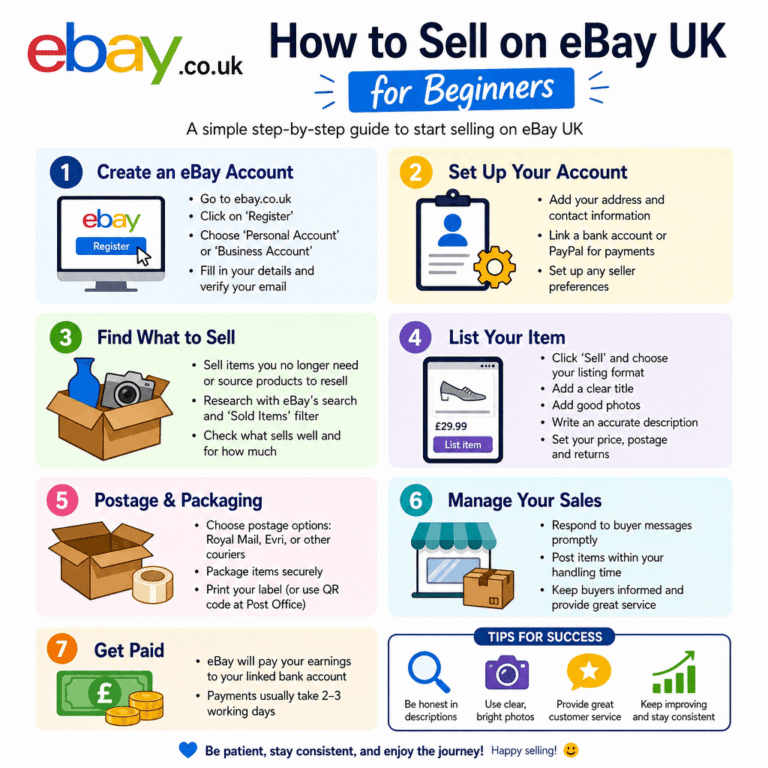
Use popular UK platforms that suit the item. Vinted works well for clothes, Facebook Marketplace is handy for bulky home items, and eBay still does the job for gadgets and collectables. Price honestly. A scuffed coffee table is not “like new”, and realistic pricing gets money into your account faster than wishful pricing.
Clear photos matter more than clever wording. Put items near a window, show flaws, and bundle similar things together if you want less back-and-forth. Three baby grows sold as a bundle often beats listing them one by one for days.
2. Buy cheap second-hand items and resell them for a profit
Flipping sounds fancy, but it is really just spotting something underpriced, improving it, and relisting it properly. A solid wooden chair from a charity shop, a buggy listed too cheaply for a quick sale, a box of books sold as a job lot, those are classic examples.
The money comes from discipline. You buy low, keep repair costs tiny, and avoid anything that will sit in your hallway for six weeks. A wipe down, better photos, a tighter description and a small repair can make a big difference. But storage space is the catch. If your spare room starts looking like a branch of a car boot sale, the plan falls apart fast.
3. Sell handmade products if you already make things for fun
If you already make candles, crochet baby blankets, prints, jewellery, personalised gifts or baked treats where local rules allow, you have a natural side hustle sitting in plain sight. The mistake is trying to launch with twenty products and turning a relaxing hobby into a stress machine by Sunday.
Start with one or two products you can make consistently. If one candle takes two hours and costs more than buyers will pay, it is not a business, it is an expensive craft session. Test demand on Etsy, local Facebook groups, school fairs or weekend markets before going bigger.
People buy handmade goods because they feel personal. Packaging helps, but reliability matters more. If you say a personalised mug will be ready by Friday, make sure it actually is.
4. Offer pet sitting or dog walking in your local area
Pet care works well if you want flexible, offline work that fits around mornings, evenings or weekends. Plenty of owners need a regular after-work dog walk, weekend sitting, or holiday cover when kennels feel too expensive or too impersonal.
Trust is everything here. Clear routines, update messages, feeding instructions and key handling need to be tidy from the start. Pet owners want to know that the dog got the usual 6pm walk, not a vague “all good”. Insurance is worth looking into, especially if you are entering homes or caring for animals overnight.
5. Babysit or offer childcare support you can fit around evenings and weekends
Busy families often need help that does not fit neatly into a nursery schedule. Evening babysitting, school pickups, weekend cover and help during school holidays can all bring regular money if you build a solid local reputation.
This comes with more responsibility than many gig jobs, so do not treat it casually. References matter. In some roles, checks matter too. If you are reliable, calm and good with routines, families remember that. One trusted recommendation in a local WhatsApp group can fill your diary faster than a fancy online profile.
6. Deliver food, groceries or parcels when it suits your schedule
App-based delivery appeals for one simple reason: you can often log on when it suits you. That makes it useful around a main job, study, or childcare. Depending on where you live, you may be able to work by car, bike or scooter.
But do the maths properly before jumping in. Fuel, vehicle wear, insurance and waiting time all eat into earnings. A busy Friday evening in a city can work well. A quiet suburban lunchtime with long gaps between orders, not so much. This is best when you know your area and can target the busiest slots.
7. Rent out your driveway or parking space
If you have a parking space near a station, city centre, airport, hospital or football ground, this can be one of the most hands-off ways to make extra money. Once listed, it can tick along in the background while you get on with everything else.
Pricing usually rises when demand spikes, like commuter hours, match days or summer travel weekends. The easy money angle is real, but check your lease, tenancy agreement or property rules first. If the space is not actually yours to rent out, the idea gets messy quickly.
8. Take paid surveys, focus groups and mystery shopping gigs
This is not salary money. It is snack money, birthday money, train-fare money. That said, for easy-entry side income, surveys and mystery shopping can still be useful.
Quick surveys tend to pay small amounts for short tasks. Focus groups usually pay better because you are giving more detailed opinions for longer. Mystery shopping can mean visiting supermarkets, cafés or high street shops and reporting on service. If you want something you can do in odd half-hours from the sofa, this is a decent option. Just keep expectations sensible.
9. Tutor online or in person in a subject you know well
Tutoring can pay better per hour than a lot of side hustles because parents are paying for results. Maths, English, science, languages, music lessons and exam prep are all regular needs, especially in evening slots.
You do not need a classroom voice. You need to explain things clearly, stay patient and be reliable. One Year 11 student needing weekly GCSE maths help can turn into steady income for months. If you have genuine subject knowledge, this is one of the strongest time-for-money options on the list.
10. Teach a practical skill or hobby in short sessions
Useful skills are not just academic. Sewing, guitar, baking, crochet, CV help, conversational English and basic tech support all solve real problems for real people. Plenty of people would happily pay to finally understand how to use a spreadsheet or hem a pair of trousers properly.
Short sessions work best because the commitment feels manageable. A one-hour beginner crochet lesson or a two-hour “sort your CV” session is easier to sell than an open-ended coaching package. Keep it simple, specific and outcome-focused.
11. Freelance your admin, writing or design skills
Freelancing works best when you package one clear service instead of offering to do “anything online”. Proofreading blog posts, writing product descriptions, designing simple social graphics, inbox management or customer support are all realistic offers.
Specific beats vague every time. “You can proofread website copy within 48 hours” is much easier to sell than “you can help businesses with content”. Small businesses want somebody who solves one obvious problem well. Start there.
12. Become a virtual assistant for small businesses
Virtual assistant work deserves its own slot because it fits flexible UK work searches for a reason. Many small businesses need help with diary management, invoicing, research, data entry and inbox organisation, but do not need a full-time employee.
Reliability is the whole thing here. If you say you are available between 9am and 1pm on Tuesdays and Thursdays, stick to that. Clear working hours, tidy systems and quick communication matter more than sounding impressive. A good virtual assistant quietly makes somebody else’s week less chaotic.
13. Manage social media for local businesses
A lot of local businesses do not need viral videos. They need somebody to post regularly, reply to messages, take decent photos and keep the page alive. That includes cafés, salons, plumbers, florists and corner shops.
Consistency is what clients pay for. If you can turn up every week, snap usable content, write a few clean captions and stop the account from going silent for three months, you already have something valuable. This hustle is less glamorous than it looks online, but that is exactly why it can work.
14. Create content and earn through ads, sponsorships or affiliate links
Content creation can become a real income stream, but it is slower to pay than most people expect. YouTube, TikTok, Instagram, blogs and newsletters all reward consistency, a clear niche and useful content that people actually come back for.
Affiliate marketing simply means earning a commission when somebody buys through your link. That can work well if your content is practical and trusted, like budget meal plans, family travel tips or home organisation reviews. According to HMRC guidance for content creators, income from this kind of work still counts for tax purposes, so keep records. The upside can be good, but this is a longer-build play, not next month’s electric bill.
15. Sell photos, video clips or digital downloads online
Digital products have a nice appeal: make once, sell more than once, no postage queue at the Post Office. Printable planners, budgeting templates, Lightroom presets, stock photos, short video clips and revision notes can all fit here.
The catch is competition. Your listing needs to be useful, polished and easy to find in search. A blurry stock photo of a kettle is not going far. But a clean set of GCSE revision templates or a printable weekly meal planner aimed at busy households has a much better shot.
16. Test websites, apps and digital products for cash
Usability testing is straightforward. You try a website or app, talk through what makes sense and what is confusing, then get paid for the feedback. No specialist background required.
This suits you if you are observant and comfortable speaking thoughts out loud while clicking around. Tasks are usually short, which makes them handy for squeezing into an evening at home. It will not replace a salary, but it is one of the more approachable online side hustles.
17. Transcribe audio or do simple data-entry tasks
Transcription means turning recordings into text. That could be interviews, meetings, podcasts or captions. Data-entry tasks are similarly simple on paper, but they reward accuracy and patience more than speed alone.
Pay can vary a lot, and beginners often underestimate how long audio takes to transcribe. One hour of messy audio can take several hours to type properly. If you like quiet, focused work and do not mind repetition, it can still be a decent fit.
18. Translate or proofread if you have strong language skills
If you are strong in more than one language, or simply excellent at spotting awkward grammar and typos, this can be solid freelance work. Small businesses, students, content creators and online sellers often need documents translated, subtitles checked or copy cleaned up.
Accuracy matters because mistakes can make content look amateur fast. Confidentiality matters too, especially with business documents or personal statements. If language is your thing, this can be a higher-value service than many generic task sites.
19. Offer DIY, gardening or odd-job help locally
Practical help is always in demand. Flat-pack furniture, hedge trimming, painting touch-ups, pressure washing, shelf fitting and simple household fixes are the jobs many people keep putting off until the list gets ridiculous.
This is a strong option because local word of mouth can snowball quickly. One neighbour needs a gate fixed, then somebody nearby needs a wardrobe built, then a friend wants a patio cleaned. If you are handy, punctual and tidy up after yourself, you are already ahead of half the competition.
20. Clean homes, do laundry help or offer household support
Cleaning is not glamorous, but it can become dependable repeat income faster than a lot of trendier ideas. Regular weekly cleans, end-of-tenancy tidying, ironing, changing beds for short-term lets or helping older neighbours with chores all solve obvious needs.
Standards matter here because repeat work depends on trust. If you do a genuinely good job, clients often keep booking. That is what makes this one powerful. You are not chasing new sales every week, you are building recurring income.
21. Monetise a spare room, storage space or a simple local asset
If you already have something useful, a spare room, garage space, a secure shed, even equipment people regularly need, there may be income sitting there quietly. Asset-based hustles can be efficient because you are not constantly trading hours for cash.
That said, rules come first. Check tenancy, mortgage, council and insurance terms before listing anything. A spare room can bring meaningful monthly income, and garage storage can appeal to people drowning in stuff, but only if you set it up properly from the start.
What side hustles pay best for the time you put in?
If you need money this month, the quickest wins are usually selling unused stuff, taking on cleaning or pet care work, and doing short delivery shifts. These can put cash in your account fairly fast because the gap between effort and payment is short.
If you want steady weekly income, tutoring, childcare support, dog walking, household help and local odd jobs tend to be stronger. You give up time, but the work can repeat, which makes monthly budgeting easier.
If you are building something with bigger upside, content creation, digital products, freelance services and social media management have more room to grow. They take longer to get moving, but they are less capped than one-off tasks. Here’s the simple rule: fast cash usually pays now but stays small, while slower-build hustles can become much more valuable later.
Common side hustle costs people forget about
Extra cash can shrink quickly once real costs show up. Postage, packaging, platform fees, petrol, parking, equipment, insurance, DBS checks for relevant work, cleaning supplies and the occasional refund all need factoring in.
Time is a cost too, even if it does not come out of your bank account. Chasing messages, rescheduling no-shows, driving across town for a small job, wrapping parcels at 10pm, all of that counts. If an idea looks good only when you ignore the hidden effort, it is not as profitable as it seems.
UK tax, HMRC and employer rules to know before you start
In the UK, the £1,000 trading allowance is the line most people need to know first. If income from self-employed work, selling services or similar activity goes over that, check whether you need to register for Self Assessment. HMRC’s side hustle tax help is a useful plain-English starting point.
Keep records from day one. Save receipts, note income, track expenses and do not rely on memory. It is much easier to stay organised from the start than to rebuild six months of side hustle admin later.
Also check your employment contract. Some employers restrict competing work, outside hours in certain sectors, or anything that creates a conflict of interest. Most side hustles are fine, but it is better to know before you start than after somebody from HR notices your weekend business page.
How to pick one side hustle and start this week
Pick the option that matches what you already have: spare stuff, a spare skill, spare time, or a spare asset. That is the shortest path to actual income. If you are tired after work, choose something low-friction like selling unused items or renting out a parking space. If you have stronger energy and a clear skill, go for tutoring, freelance admin or local odd jobs.
The mistake is overthinking until nothing happens. List three things on Vinted. Message one local contact about dog walking or cleaning. Set up one tutoring or freelance profile tonight, maybe while the kettle boils.
Try the easiest option first. A small win beats a perfect plan that never leaves your notes app.