Monthly bills have a habit of landing before your last pay packet has even had time to breathe. If you want to make extra money UK style, without turning your week into a second full-time job, the good news is simple: some ideas put cash in your account fast, some build up steadily, and the trick is choosing the one that actually fits your time, energy, and what you already have.
1. Sell the stuff you no longer use
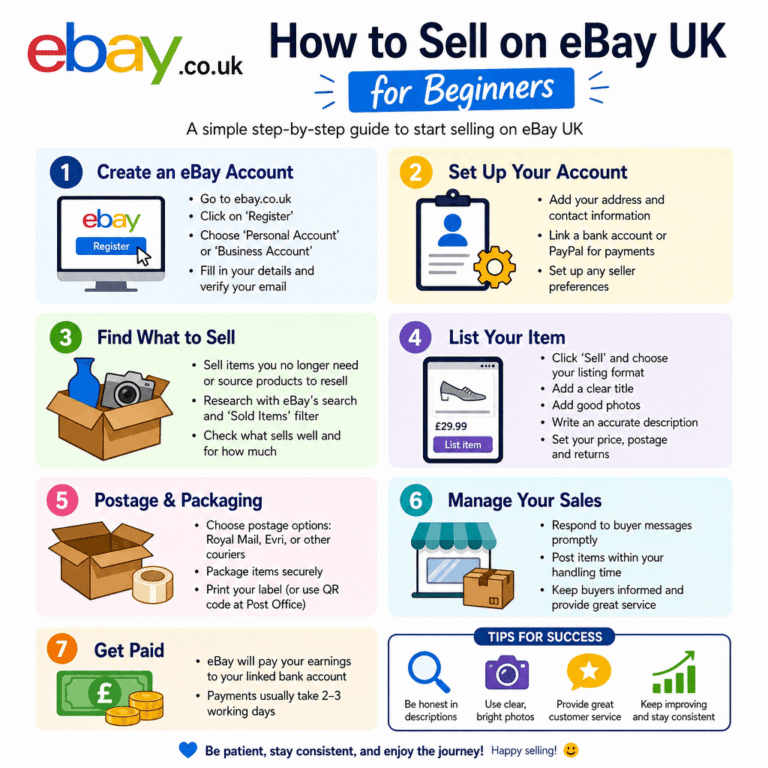
If you need money fairly quickly, this is the easiest place to start. Most homes have a pile of value hiding in plain sight: clothes that no longer fit, an old games console in a drawer, baby gear taking over the spare room, or the bread maker you used twice and forgot about by February.
The reason this works so well is obvious once you start. You are not learning a new skill, setting up a business, or waiting weeks for approval. You are just turning clutter into cash. A single clear-out can bring in more than a week of survey earnings, especially if you have branded clothing, decent electronics, furniture, or anything for children.
Pick the right selling platform for the item
Not every item belongs on the same platform. Furniture, bikes, mirrors, and bulky baby items usually do best on local marketplaces because collection is easier than posting. Clothes often sell better on resale apps built for fashion. Specialist tech sites can work well for phones, tablets, consoles, and cameras because buyers there already know what they want. And if you have lots of lower-value household bits, a car boot sale can still work, especially if speed matters more than squeezing every last pound out of each item.
Here’s the thing: matching the item to the platform matters more than writing a clever description. A dining table on a fashion app will sit there forever. A branded coat on a local pick-up site may attract bargain hunters who expect it for next to nothing.
Make listings that get clicks
Good listings are boring in the best way. Use a simple title that says exactly what the item is, include the brand if it matters, and mention the condition honestly. Buyers want the facts fast. “IKEA white chest of drawers, good condition, collection only” beats a vague title every time.
Photos matter more than people think. Put the item near a window in daylight, clear the background a bit, and take shots from several angles. Add measurements for furniture, note any marks or faults, and say if the price is firm. If you want the item gone this week, price it to move, not to admire. Starting a bit lower often gets a quicker sale than waiting until next Christmas for the perfect offer.
2. Take paid online surveys, focus groups, and product tests
This is not salary money. It is tea-money, grocery-top-up money, or “cover the school trip fee without stress” money. That said, surveys and research panels are still one of the lowest-effort ways to earn from home, especially if you can fill ten quiet minutes on the sofa instead of doom-scrolling.
The better opportunities sit beyond standard surveys. User testing, online interviews, taste panels, and focus groups can pay much more because your time is worth more when a company wants actual feedback, not just checkbox answers.
Know the difference between small change and better-paying research
Quick survey apps usually pay a little at a time. Fine for spare moments, not much more. The stronger earners are market research sessions, product tests, and user testing tasks where you record your screen or talk through your experience. One focus group can beat dozens of mini surveys.
That difference matters because expectations shape frustration. If you go in expecting a part-time wage from five-minute polls, you will hate it. If you treat surveys as filler and keep an eye out for higher-paying research, the whole thing works much better.
Avoid common time traps
The catch is that some platforms waste your time. Screen-outs are common, which means you answer a few qualifying questions and then get told you are not the right fit. Long questionnaires for tiny rewards are another classic trap, along with points systems that take ages to convert into real money.
Before spending much time on a platform, check the cash-out minimum, how payment works, and how long rewards take to arrive. If a site makes it hard to understand how you actually get paid, move on. Easy money should at least be easy to collect.
3. Rent out a spare room, driveway, or storage space
If you have space that sits unused most of the time, it can earn without asking much from you day to day. In cities especially, a spare parking space, a driveway near a station, loft storage, or a tidy room can be worth more than expected simply because space is tight and convenience sells.
This option suits households that have something valuable already sitting there. You are not selling your labour first. You are charging for access to an asset.
Check the rules before you list anything
Before listing anything, check your tenancy agreement, mortgage terms, lease conditions, building rules, insurance, and any local restrictions that apply. That sounds dull, but it matters. A spare room arrangement, driveway rental, or storage setup can create issues if the paperwork says no.
Even when it is allowed, terms can limit how you use the space. Better to spend half an hour checking than to sort out a much bigger problem later.
Think about safety and practical boundaries
Boundaries make this easier. Decide how access works, where keys are kept, what hours suit you, how cleaning will be handled, and what is off-limits. If you are renting a room or home storage space, clear rules avoid awkwardness later.
Also think about neighbour impact. A quiet storage customer is one thing. Constant late-night comings and goings are another. Practical setups last longer because expectations are clear from day one.
4. Start a simple delivery or driving side hustle
Delivery work appeals for one reason above all else: flexibility. You can often choose when to log on, work around your main job, and get started faster than with many other side hustles. Food delivery, parcel drops, and private hire driving can all bring in money fairly quickly if demand is strong in your area.
But there is a catch, and it is a big one. Headline earnings can look decent until fuel, maintenance, insurance, and dead time between jobs start nibbling away at them like pigeons on chips outside a station.
Work out the real hourly pay
Always look beyond the app’s top-line number. Track fuel, parking, wear on your car or bike, extra insurance, and the time spent waiting for orders. If a four-hour shift leaves you with less than expected after costs, the flexibility may not be worth it.
A simple notes app is enough here. Log what you earned, what you spent, and roughly how long you were actually out. After a couple of weeks, the pattern becomes obvious.
Choose hours that actually pay better
Timing matters almost as much as effort. Evening meal times, Friday nights, weekends, and local events usually bring stronger demand. Quiet mid-afternoon slots often do not. If you are going to give up your time, choose the hours that give you the best shot at decent pay.
This is one of those side hustles where strategy beats enthusiasm. Working smarter hours often matters more than working more hours.
5. Offer practical local services people already need
Not every extra income idea needs a website, logo, and grand plan. People regularly pay for help with cleaning, ironing, gardening, dog walking, car washing, simple DIY, and general home support. Reliable, local help is always in demand because everyday life gets messy fast.
This can be one of the strongest options if you want cash flow without sitting at a screen. And honestly, ordinary useful skills often beat fancy ones because people want jobs done well and on time.
Start with skills you already use at home
Start with what you already do without thinking much about it. If you keep a tidy home, can mow a lawn properly, know how to clean a car, or can assemble flat-pack furniture without tears, that is already a service. Familiar skills are easier to sell because you can explain them simply.
You do not need to make it sound impressive. “Regular ironing collection and drop-off” or “one-off garden tidy-ups” is clear enough. Clear beats clever every time.
Get your first customers through nearby networks
First customers often come from close to home. Local Facebook groups, community noticeboards, neighbours, parent groups, and word of mouth work well because trust starts nearby. A short post with what you offer, your area, and your availability is often enough to get interest.
Once you have one or two happy customers, referrals do a lot of the heavy lifting. People remember dependable help. That matters more than polished marketing.
6. Turn a skill into freelance work
Freelancing makes sense when you already have a skill that can solve a clear problem. Tutoring, admin support, bookkeeping, writing, design, translation, photography, social media scheduling, and virtual assistant work can all bring in extra income without needing stock, storage, or travel every day.
The trick is packaging the skill so somebody can understand it in five seconds. “General help with online tasks” is fuzzy. “Weekly admin support for small businesses” is much easier to buy.
Keep the offer simple at the start
Do not try to offer everything. Pick one service, one type of customer, and one straightforward rate. A simple offer feels easier to trust because it sounds organised. It also saves you from spending half your evenings writing custom quotes for work you do not even want.
Simple examples work well: GCSE maths tutoring, Instagram captions for local shops, inbox and diary support for busy consultants, or monthly bookkeeping for sole traders.
Build trust without a big portfolio
A giant portfolio helps, but it is not the only route. A sample piece of work, a small trial task, a testimonial from a past colleague, or a before-and-after example can be enough to get started. Keep the proof practical and easy to understand.
Instead of saying you are “results-driven”, show the result. Fewer admin backlogs. Better-looking posts. Clearer accounts. Faster turnaround. Plain English sells better than vague claims.
7. Sell homemade, personalised, or digital products
This is where extra money starts to shift from hours worked to things sold. Homemade crafts, personalised gifts, printable planners, invitation templates, party downloads, wall art files, and similar products can be a nice middle ground between hobby and income.
Digital products are especially appealing because you create them once and sell them more than once. That does not mean instant passive income, because somebody still has to make, list, and improve the product, but it scales better than trading every hour for cash.
Choose products that are easy to repeat
Pick products you can make consistently. If every order needs a long back-and-forth message chain and custom design tweaks, the money can disappear into your time. Repeatable products are easier to price, easier to deliver, and much less stressful.
That could mean a small range of personalised mugs, a fixed set of printable chore charts, or a few invitation templates with custom names only. The less chaos built into the order, the better.
Price for materials, time, and fees
Underpricing ruins a lot of good ideas. Packaging, postage, platform fees, and your time all count. If a handmade item takes an hour to make but the profit after costs is tiny, you have built yourself a low-paid job.
Work backwards. Add the true cost of materials, include your time, then check selling fees and postage. If the final price feels too high, the problem is usually the product setup, not the maths.
8. Use cashback, bank switching, and reward offers properly
Not all extra money comes from working more. Some comes from paying attention. Cashback sites, bank switching offers, referral bonuses, and reward schemes can all put real money back in your account if you stay organised.
This works best for people who are decent with admin. If you are the sort of person who loses track of deadlines, it can get messy. But if you treat it like a system, it is one of the least physically demanding ways to boost your finances.
Treat it like a system, not a lucky bonus
Track everything: sign-up dates, direct debit requirements, minimum pay-ins, switch deadlines, and when the reward is due. A basic spreadsheet is enough. Without that, easy money can slip through your fingers because you missed one small condition.
Bank switching offers in particular often depend on following the rules exactly. The offer is only good if the payout actually lands.
Watch for credit and eligibility checks
Some financial offers involve credit checks or eligibility checks, and some current accounts or credit products leave a footprint on your file. That does not mean you should avoid them all. It means you should read the terms before clicking around.
Also check if you are genuinely eligible. Existing-customer exclusions and timing rules are common. Five minutes with the details can save a lot of annoyance later.
9. Claim refunds, rebates, and money You’re owed
Sometimes making extra money is not about earning more. It is about getting back money that should already be yours. That includes tax relief on allowable work costs, train delay compensation, overpaid bills, old account balances, forgotten vouchers, and energy credit sitting on an account doing nothing.
This category is not glamorous, but it can pay surprisingly well because it is often lump-sum money. One successful claim can beat weeks of tiny side hustle tasks.
Check the most common UK reclaim areas first
Start with the obvious places. If you pay for job-related expenses yourself, there may be tax relief available depending on the cost. If your train has been delayed, many operators offer compensation through Delay Repay schemes. If you have switched energy suppliers before, check old accounts for credit balances.
Also look at any workplace spending, old mobile accounts, gift card balances, and insurance cancellations where money may still be due. People lose track of this stuff all the time.
Keep proof so claims are easier
Proof makes everything quicker. Save receipts, screenshots, account emails, meter readings, dates, and booking references. If you make a claim six months later, those details stop it turning into a memory test.
A small digital folder on your phone or laptop can do the job. Boring, yes. Effective, also yes.
10. Do pet care or childcare for extra income
Pet care and childcare can both earn well because trust carries real value. Dog walking, cat visits, holiday pet sitting, babysitting, and after-school help are all services people happily pay for when they find somebody dependable.
This is less about flashy selling and more about reassurance. If somebody trusts you with a terrier or a seven-year-old after school, that trust is the whole business.
Start with the right level of responsibility
Pet visits and dog walking are often the easiest place to begin because the setup is lighter. Childcare usually brings more responsibility, more checks, and more expectations from the start. That does not make it a bad option, just one to approach properly.
Regular after-school pick-ups or evening babysitting can work well if your schedule suits it. But if you want a simpler starting point, feeding cats while somebody is away is a much lower bar.
Understand safeguarding, insurance, and local expectations
For childcare especially, references, emergency contacts, and safeguarding basics matter. For pet care, insurance and practical safety matter more than people expect, especially if animals are staying in your home or you are handling multiple dogs.
Also think about the setup from the client’s side. Clear timings, updates, contact details, and sensible boundaries make you look reliable fast.
11. Make money from content, photos, or creative work
If you already like taking photos, editing clips, recording audio, or designing small creative assets, there is earning potential here. Stock photos, short-form video editing, voiceover jobs, template packs, and creative licensing can all bring in money over time.
The catch is speed. This usually builds slowly. It is not the best option if the gas bill is due next Tuesday. But it can become useful side income if you are willing to keep going long enough to build a catalogue or reputation.
Focus on one format instead of chasing every platform
Trying to do everything usually kills momentum. Pick one format and stick with it for a while. That might mean stock photography, video editing for local businesses, or voice recordings for short adverts.
Consistency matters because each format has its own learning curve. Staying in one lane helps you improve faster and makes your work easier to find.
Learn what buyers actually want
Buyers usually want practical content, not just artistic content. Clear home office photos, everyday family-free lifestyle shots, local business clips, product mockups, and clean voice recordings often sell better than your most dramatic sunset.
Think searchable and useful. A photo of somebody paying with a bank card in a coffee shop may earn more than a moody black-and-white street scene, because one solves a commercial need.
12. Pick up flexible part-time or one-off event work
If self-employed hustles do not appeal, shift-based work can be a much cleaner fit. Hospitality, event staffing, promo work, warehouse shifts, invigilation, seasonal retail, and film or TV extra work all let you swap time for money in a more structured way.
For some people, that is simply easier. You turn up, do the shift, get paid, and go home. No chasing invoices, no customer messages at 10.30pm.
Use agencies and local listings strategically
Short-term work often appears through agencies, local job boards, event staffing companies, and venue-specific listings. Keep your documents ready, your availability updated, and your location settings sensible so relevant jobs actually reach you.
A lot of this work goes fast, especially around Christmas, exam season, summer events, and big local fixtures. Staying organised gives you a better shot at the decent shifts.
Be ready for fast turnaround jobs
Some jobs appear with almost no notice. That can be useful, but only if you account for travel time, parking, dress codes, early starts, and ID checks. A shift that looks profitable on paper can become much less appealing once you add two bus journeys and a 6am start.
The trick is to calculate the whole outing, not just the hourly rate.
13. Cut a bill and treat it like extra income
Saving money is not a side hustle in the usual sense, but it still improves your monthly position. If you cut £80 from your regular bills, that is £80 back in your life every month. For households under pressure, that can matter more than a slow-burn online income idea.
And unlike side hustles, bill-cutting often works once and then keeps paying you back without more effort.
Start with the bills that renew quietly
The sneakiest costs are the ones that roll over quietly: broadband, mobile plans, insurance, old streaming services, cloud storage, premium add-ons you forgot about. These are the financial equivalent of a dripping tap. Not dramatic, just constant.
Check renewal emails, direct debits, and bundled extras first. Auto-renewal is where a lot of easy savings hide.
Look for easy wins you can do in an hour
An hour is enough to cancel unused subscriptions, switch to SIM-only, compare insurance renewal prices, and change one supermarket habit that keeps inflating your weekly spend. Those small fixes add up quickly because they repeat.
If you want fast relief, this is one of the smartest places to start. Cutting one bill today can matter more than chasing £6 from a survey app next month.
14. Understand tax, benefits, and the rules before you earn more
This part sounds intimidating, but it is much simpler once you break it down. Extra income can affect tax, benefits, insurance, or even your employment terms depending on what you do and how much you earn. Knowing the basics early saves stress later.
In the UK, small amounts of trading income may fall under the trading allowance, but that does not mean every situation is identical. The key point is simple: know what counts, keep records, and do not leave the admin until it becomes a problem.
Keep simple records from day one
Write down dates, payments received, and any money spent directly on earning that income. A spreadsheet, notes app, or even a tidy paper notebook is enough if you keep up with it.
This takes five minutes at the start and can save hours later. It is much easier to track as you go than to rebuild six months of side income from random bank notifications.
Check whether extra income changes anything important
If you receive Universal Credit or other support, extra earnings can affect payments. Some jobs also need licences, insurance changes, or employer approval. Driving work is the obvious example, but it is not the only one.
Read the rules attached to your situation before the money starts coming in. That way, your extra income stays helpful instead of creating a new headache.
15. Choose one idea that fits your life and start this week
The best extra income idea is not the most impressive one. It is the one you will actually do. If you need money quickly, sell unused items or cut bills first. If you have a spare room, driveway, or useful skill, start there. If you have limited energy but decent admin habits, cashback and reclaiming money owed may suit you better.
Match the idea to your real life: your transport, your free time, your confidence level, and the amount of clutter or space you already have. A parent with twenty free minutes at 9.15pm needs a different option from somebody with a car and open weekends. That is normal.
Start with one move before 8pm
Do one thing today. List one item for sale. Sign up for one decent research panel. Message one local group offering dog walking, ironing, or cleaning. Check one renewal bill. Pick the easiest action with the fastest path to money and get it moving before 8pm.
That is how this stops being a nice idea and starts becoming extra cash.