Top 10 Brilliant Money-Saving Tips Every Household Can Start Using Today
When the grocery bill jumps, the energy bill lands, and another direct debit leaves your account, it can feel like your money is disappearing faster than ever. For many households, the cost of living is not just a headline, it is a daily pressure that shows up in the supermarket, at the fuel pump, and in the monthly stack of bills.
The good news is that saving money does not have to mean cutting out every treat or turning life into a constant exercise in saying no. In most homes, the biggest difference often comes from small, steady changes that are easy to stick with. A few pounds saved on food, energy, subscriptions, or impulse spending may not seem dramatic on their own, but together they can create real breathing room.
That is what this article is here to help with. Instead of unrealistic money advice, you will find 10 practical tips that households can start using today. They are simple, sensible, and designed for real life. Practical Ways UK Households Can Cut the Cost of Living
We will go through them in clear numerical order, starting with ways to build stronger saving habits, then moving into cutting everyday bills and making better use of overlooked savings opportunities. Finally, we will look at budgeting and paying down high-interest debt, so you can make progress now while also building a stronger financial future.
Build a stronger money routine with Tips 1 to 3
1. Pay yourself first and automate savings. One of the easiest ways to save consistently is to move money into savings as soon as your income arrives. Treat it like any other essential bill. When the transfer happens automatically, you are less likely to spend that money elsewhere first. Even a small amount each week or month can build into a useful emergency buffer over time, which can help with surprise costs like car repairs, school expenses, or a higher than expected utility bill.
2. Audit and cancel unused subscriptions. Small recurring payments are easy to ignore, but they can quietly eat into your budget. Go through your bank statements and look for regular charges from streaming services, apps, gym memberships, delivery passes, and any forgotten free trials that rolled into paid renewals. If something no longer gets used or does not offer real value to your household, cancel it. Trimming just a few subscriptions can free up money every month.
3. Use the 48-hour or 30-day rule for impulse buys. A waiting period can be a powerful way to avoid emotional spending. For smaller purchases, give yourself 48 hours before buying. For more expensive items, wait 30 days. This simple pause helps you decide whether something is a genuine need or just a passing want.
Cut everyday spending at home with Tips 4 and 5
4. Cook at home and plan your meals
Food spending can quietly eat into a household budget, especially when busy days lead to takeaways or extra supermarket trips. A simple meal plan for the week can make a big difference. It does not need to be complicated, just a rough menu of dinners, lunches and easy snacks.
Planning meals helps you buy only what you need, which cuts down on impulse spending and wasted food. Shopping with a list is one of the easiest ways to stay focused and avoid adding extras to the trolley. Batch cooking can save even more. Making bigger portions of soups, pasta sauces, curries or casseroles means you have affordable meals ready for hectic evenings, instead of reaching for costly convenience food. Have a look at the Too Good To Go App.
5. Switch to energy-efficient habits
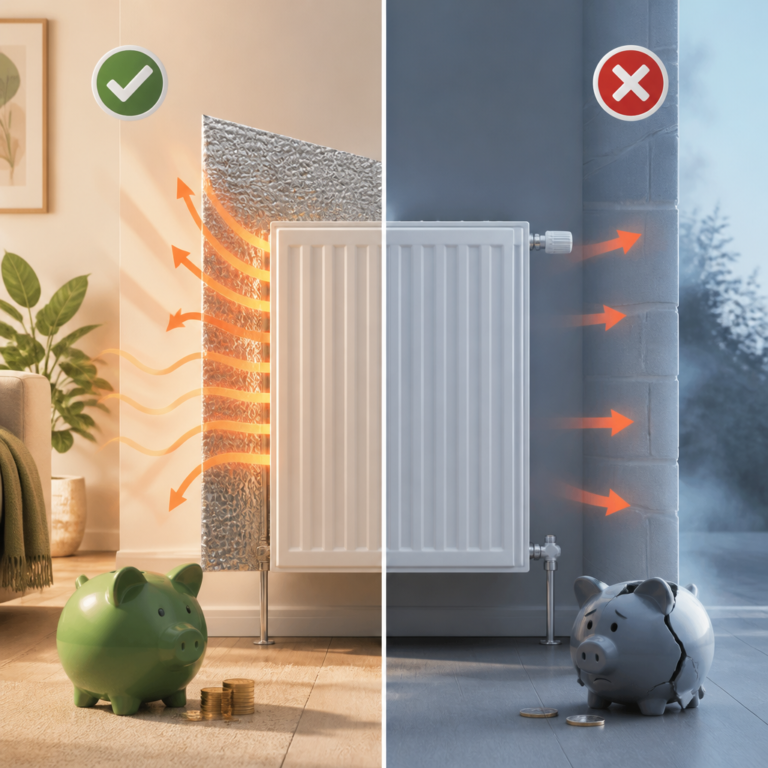
Utility bills are another area where small changes can add up over time. The good news is that saving energy at home does not have to mean a major lifestyle overhaul. Start with simple habits like turning appliances off at the wall instead of leaving them on standby, washing clothes at lower temperatures and switching old bulbs to LED ones.
You can also be more mindful about heating, hot water and lighting use from day to day. These small adjustments may seem minor on their own, but together they can help trim monthly household bills while keeping your home running comfortably.
Use overlooked savings opportunities with Tips 6 to 8
6. Pay annual bills upfront when it genuinely saves money
Some household bills, especially insurance, can cost less if you pay for the full year rather than monthly. Monthly plans often include admin charges or interest, which means the total can end up higher than you expect.
Before switching, compare the full annual price against the total of 12 monthly payments. If paying upfront saves a worthwhile amount and you can afford it without putting pressure on your day-to-day budget, it can be a smart move. If it would leave you short on cash, it is better to keep flexibility.
7. Make the most of your local library
Libraries can be one of the most overlooked money-saving resources around. Alongside books, many now offer e-books, audiobooks, children’s story sessions, internet access, study space and helpful community services.
Using the library more often can cut costs across the whole household. Instead of buying new novels, children’s books or digital audiobooks, you can borrow them for free. It is an easy way to keep learning and entertainment costs down without feeling like you are missing out.
8. Check secondhand first
Before buying something new, get into the habit of checking charity shops, online marketplaces and local resale groups first. You can often find excellent quality items for a fraction of the retail price.
This works particularly well for furniture, children’s clothes and toys, books, and things you only need occasionally. Buying secondhand can save money fast, especially for growing families, while also helping reduce waste.
Create a long-term plan with Tips 9 and 10
Tip 9 is to use the 50/30/20 budgeting framework. This means putting about 50 percent of your income toward needs, 30 percent toward wants, and 20 percent toward savings or debt repayment. It is a simple way to see where your money is going and make clearer choices when costs start creeping up.
For households, the biggest benefit is structure. If spending feels messy or unpredictable, this approach gives you a starting point without needing a complicated spreadsheet. Of course, real life does not always fit neat percentages. Rent, childcare, and food costs may mean your needs take up more than 50 percent right now. That is fine. The goal is not perfection, it is having a clear plan that helps you stay in control.
Tip 10 is to prioritize high-interest debt payoff. Expensive borrowing, especially credit card debt, can quietly drain your budget month after month. The sooner you reduce it, the more money you keep for your household instead of handing it over in interest.
A common approach is the avalanche method: pay as much as possible toward the debt with the highest interest rate first, while continuing minimum payments on everything else. This can save significant money over time and free up breathing space in your monthly budget.
Wrap up with simple next steps that feel manageable
Take the pressure off and start small
The good news is that you do not need to overhaul your entire household budget in one weekend. Trying to do all 10 tips at once can feel exhausting, and that is often what makes people give up. A much better approach is to start with just two or three changes that feel realistic right now.
Think about where your biggest money leaks are. If food spending keeps creeping up, begin with meal planning and fewer takeaways. If your bank statement is full of small recurring charges, tackle subscriptions first. If debt is eating into your monthly income, focus on a simple repayment plan alongside a basic savings habit. The best tips are the ones that solve the problems you actually have.
Once you have chosen your starting points, give them a little time to work. Review your progress each month and ask yourself what is improving, what still feels difficult, and what you want to adjust next. Small wins matter because they build confidence and make it easier to keep going.
Saving money is rarely about perfection. It is usually about steady habits, better choices, and giving yourself more control over where your money goes. Start small, stay consistent, and remember the clear takeaway: a few simple changes, repeated each month, can lead to less stress, stronger savings, and a more confident household budget.